


































Brazilian Jiu Jitsu
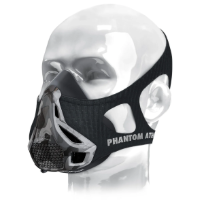
- How to Improve Your Condition and Cardio with the Phantom Training Mask
- The Only Gi You Need to Start: Venum First BJJ Gi Review
- Which combat sport should you choose when you're just starting out?
- Why Every MMA Fighter Should Train Brazilian Jiu-Jitsu
Brazilian Jiu Jitsu equipment for BJJ training
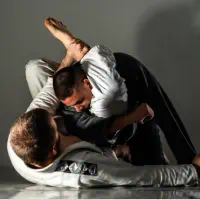
Brazilian Jiu Jitsu, commonly known as BJJ, is a grappling-based combat sport focused on control, positioning and submission techniques. Unlike striking sports, BJJ emphasizes ground fighting, technical transitions and strategic movement.
During training sessions athletes perform technical drills, positional sparring and conditioning exercises. Proper equipment helps practitioners train comfortably while maintaining mobility during intense grappling exchanges.
A grappling-focused combat sport
BJJ practitioners aim to control their opponent using leverage, positioning and submission techniques. Training sessions often include technical drills, positional work and sparring rounds.
Because much of the training happens on the ground, athletes rely on gear designed to withstand friction and movement during grappling.
Choosing BJJ equipment
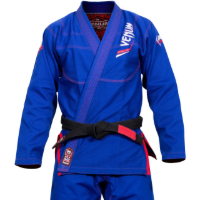
- BJJ Gi: the traditional uniform used for Brazilian Jiu Jitsu training.
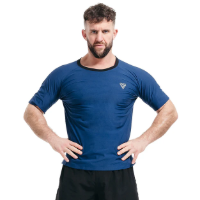
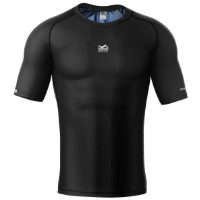
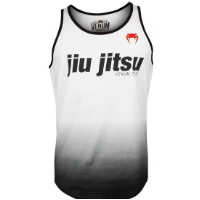
- Rashguards: technical garments commonly used for No-Gi grappling training.
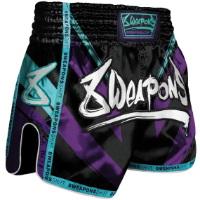
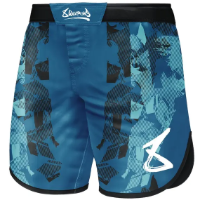
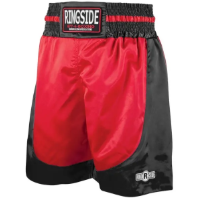
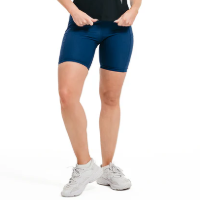
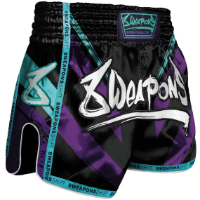
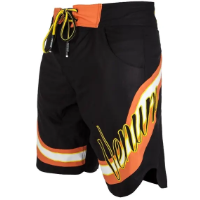
- Grappling shorts: designed for comfort and mobility during training.
- BJJ belts: represent the progression of practitioners.
Training styles
BJJ equipment is used during several phases of training. Athletes typically alternate between technique drills, positional training and sparring.
Some sessions focus on positional control while others emphasize submission techniques and physical conditioning.
Usage tips
- Choose the correct size for optimal mobility.
- Wash BJJ gear regularly after training sessions.
- Follow hygiene rules during grappling practice.
- Allow equipment to air dry after each training session.
FAQ – Brazilian Jiu Jitsu equipment
What equipment is needed to start BJJ?
Most beginners start with a BJJ gi and belt. For No-Gi training athletes typically use rashguards and grappling shorts.
What is the difference between Gi and No-Gi?
Gi training involves wearing a kimono, while No-Gi training is practiced without it.
Why do practitioners wear BJJ belts?
BJJ belts represent the progression and experience level of practitioners.
How should a BJJ gi be maintained?
A BJJ gi should be washed after training and allowed to air dry.


