
-
 CatalogTop Full list of links to all active categories on CombatCorner.
-
 Sports Quickly find your gear by sport: Boxing, MMA, Muay Thai or BJJ.
-
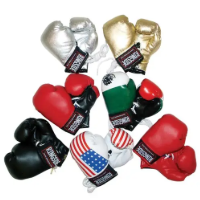
 Gloves Gloves for boxing, MMA, fitness, and also under gloves.
All - Gloves View
Gloves Gloves for boxing, MMA, fitness, and also under gloves.
All - Gloves View<img src="Gants de boxe.jpg" alt="Gant de boxe et MMA">
-
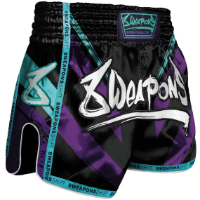
 Shorts Muay Thai, boxing, MMA, and all kinds of training styles.
-
 Protections Discover all protectors for martial arts and combat sports.
-
 Mouthguard The essential protective gear every fighter should have.
-
 Punching Bags Discover all punching bags for martial arts training
-
 Coaching Kick pads, focus pads, and punching bags for training.
-
 Private TrainingNEW Private coaching sessions to become your best self.
-
 Physical Preparation All the equipment you need for physical conditioning.
-
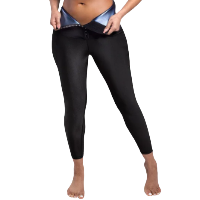
 Making weight Achieve your ideal weight with our sauna training outfits.
-
 Apparel All the apparel designed for combat sports and training.
-
 Accessories Explore our accessories for combat sports and training.
-
 Collections Discover our MMA and boxing collections today.
-
 BrandsAll brands List of all brands available at CombatCorner.











022 341 92 19 Mon-Fri: 10:30-12:00, 13:30-15:30
Email contact@molardweb.ch
Address
Choosing Boxing Gloves as a Beginner: A Practical Guide
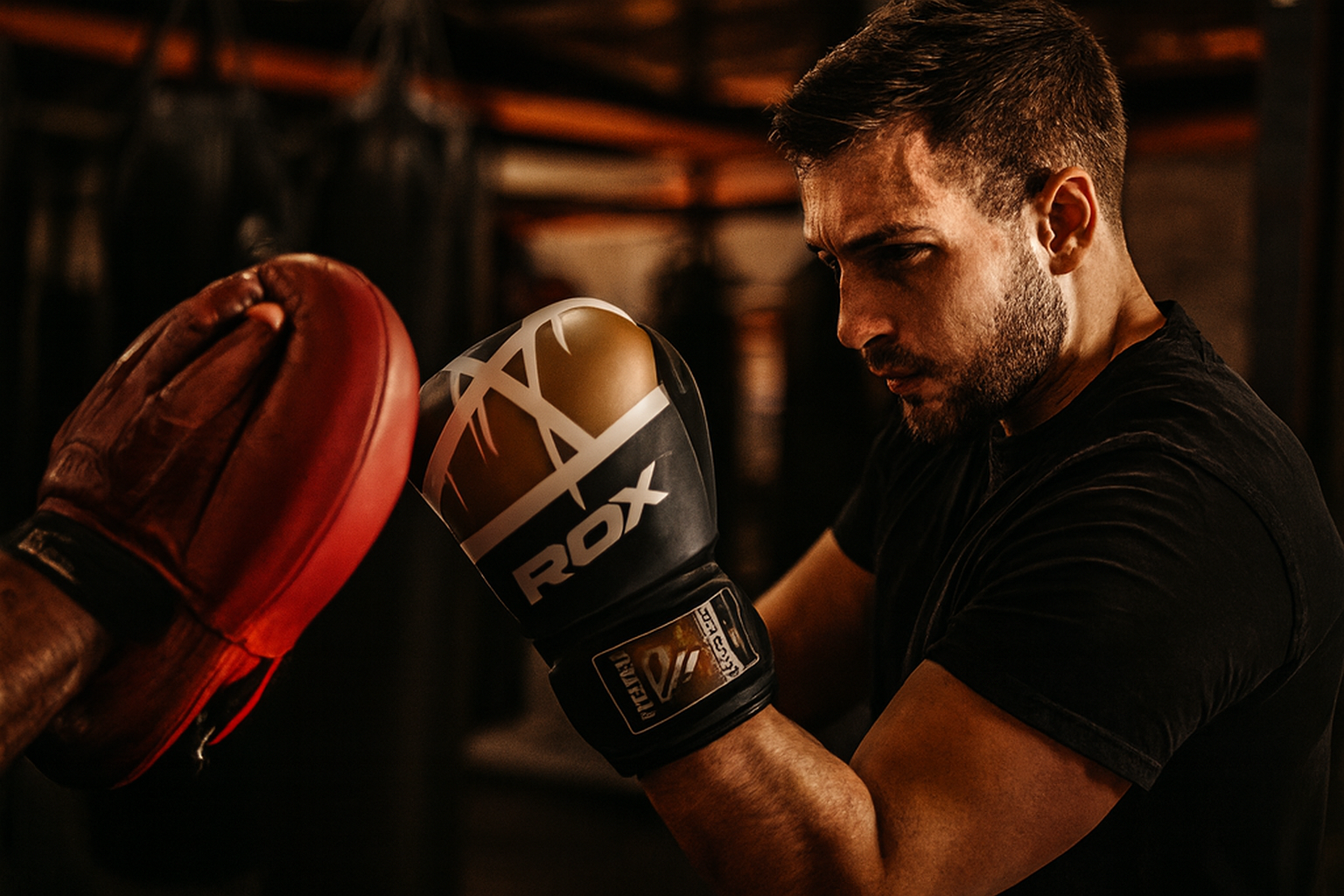
Buying your first pair of boxing gloves is one of the most important decisions when starting the sport. The right pair supports your hands and wrists, helps you train safely, and makes the learning process far more comfortable. Here is what actually matters when choosing boxing gloves as a beginner.
Glove Weight: The First Thing to Check
Boxing gloves are measured in ounces (oz), and weight affects both protection and how the gloves feel during training. Heavier gloves generally offer more padding and are commonly used for bag work and pad drills, while lighter gloves are often reserved for sparring or competition depending on the gym's rules. Many beginners start with gloves in the 12oz to 16oz range, such as the Gants de boxe RDX F7 Ego – Noir/Or – 16oz, which suits regular bag training sessions.
Training Gloves vs Sparring Gloves
Not all gloves are used the same way. Bag gloves are designed to absorb repeated impact against heavy bags or pads, while sparring gloves prioritise protecting your training partner as well as your own hands. If you plan to do both, a versatile pair like the Gants de boxe RDX F6 Kara – Noir/Or – 14oz can be a practical starting point. For lighter sparring sessions, gloves such as the Gants de boxe UFC PRO Performance Rush – Bleu/Noir – 16oz offer additional cushioning at a higher weight.
Closure System: Velcro or Lace-Up
Beginners almost always benefit from a hook-and-loop (velcro) closure, since it allows the gloves to be put on and removed independently, without needing a training partner's help. Lace-up gloves are typically reserved for competition, where a coach or cornerman ties the gloves before the fight.
Material and Build Quality
Boxing gloves are made either from genuine leather or synthetic leather. Synthetic materials tend to be more affordable and easier to maintain, while leather often offers better long-term durability with regular use. For a beginner training a few times a week, either option can work well as long as the padding feels supportive and the stitching is solid.
Don't Forget Hand Wraps or Inner Gloves
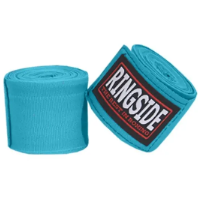
Boxing gloves are not designed to be worn directly on bare hands. Hand wraps stabilise the wrist and knuckles, while inner gloves offer a quicker alternative for shorter sessions. Options such as the Sous-Gants de Boxe RDX Rouge – Taille L or the Sous-Gants de Boxe RDX Bleu – Taille M are worth considering alongside your gloves.
A Few Beginner-Friendly Options
- The Gants de boxe RDX F7 Ego – Noir/Or – 14oz for balanced bag and pad work.
- The UFC PRO Gants de Boxe d'entraînement – Jaune/Noir – 14OZ for structured training sessions.
- The UFC Octagon Lava Gants de Boxe – Rouge – 16OZ for beginners looking for a heavier, well-padded pair.
Final Advice
There is no single perfect glove for every beginner. The right choice depends on your body weight, the type of training you plan to do, and how often you'll be using the gloves. Trying on a few models, paying attention to closure comfort and padding, and pairing them with proper hand wraps will make your first months of boxing training much more enjoyable.
FAQ
What weight of boxing gloves should a beginner use?
Most beginners start with gloves between 12oz and 16oz, with heavier weights generally used for bag work and lighter weights for sparring, depending on the gym's requirements. Your body weight and the type of training you'll be doing also influence the ideal weight.
Should a beginner choose velcro or lace-up gloves?
Velcro closures are usually recommended for beginners because they can be put on and removed without assistance. Lace-up gloves are more common in competition settings where a coach ties them before the fight.
Do I need hand wraps with boxing gloves?
Yes, hand wraps or inner gloves are strongly recommended to support the wrist and knuckles during training. Boxing gloves alone do not provide the same level of joint stability as wraps do underneath.
Can I use the same gloves for bag work and sparring?
Some gloves are versatile enough for both, especially at higher weights with generous padding. However, dedicated sparring gloves usually offer better protection for your training partner and may be required by your gym.
How do I know if boxing gloves fit properly?
A properly fitted glove should allow you to close your fist comfortably without excessive space inside, while the wrist strap should feel secure but not restrictive. If you're between sizes, sizing up slightly is generally safer for beginners.
What material is best for beginner boxing gloves?
Both genuine leather and synthetic leather can work well for beginners. Synthetic materials are typically easier to maintain and more budget-friendly, while leather tends to hold up better over long-term, frequent use.
How often should boxing gloves be replaced?
There's no fixed rule, but gloves should be replaced once the padding feels compressed, the seams show wear, or the closure no longer holds securely. Regular airing and proper storage between sessions can help extend their lifespan.
No posts found
Write a review
- Choosing Boxing Gloves as a Beginner: A Practical Guide
- Twins Special Switzerland: Muay Thai Gear Guide
- Wrestling Singlet & Shoes: The Phantom Buying Guide
- Neck Harness Training in Combat Sports: Why a Strong Neck Matters
- Twins Special arrive chez CombatCorner.ch : la légende du Muay Thai enfin disponible en Suisse
- Kids Boxing at Home: The Complete Guide to Junior Punching Bags
- How to Recover After Training in Hot Weather
- Training During a Heatwave: How to Stay Safe and Keep Improving
- Hit N Move® Lands in Switzerland: The World's Most Scientifically Advanced Boxing Brand
- Hayabusa lands at CombatCorner : the world's premium boxing glove benchmark is now available in Switzerland
- Boxing Hand Wraps: The Complete Protection Guide
- Conor McGregor’s comeback shakes the MMA world again
- 2 Jardin-Alpin,
1214 Meyrin
Suisse - +41 22 391 42 19
- Monday-Friday 8:00 - 14:00
- info@combatcorner.ch
- Voir sur la carte
© 2017 - 2026 Molard Web SA. Powered by Nelocom GmbH


This site uses cookies to store information on your computer. See our cookie policy for further details on how to block cookies.
Refuse Accept cookies⚠️ We noticed you declined cookies. Some features may not work properly.
To enjoy full functionality, please consider enabling cookies.


